

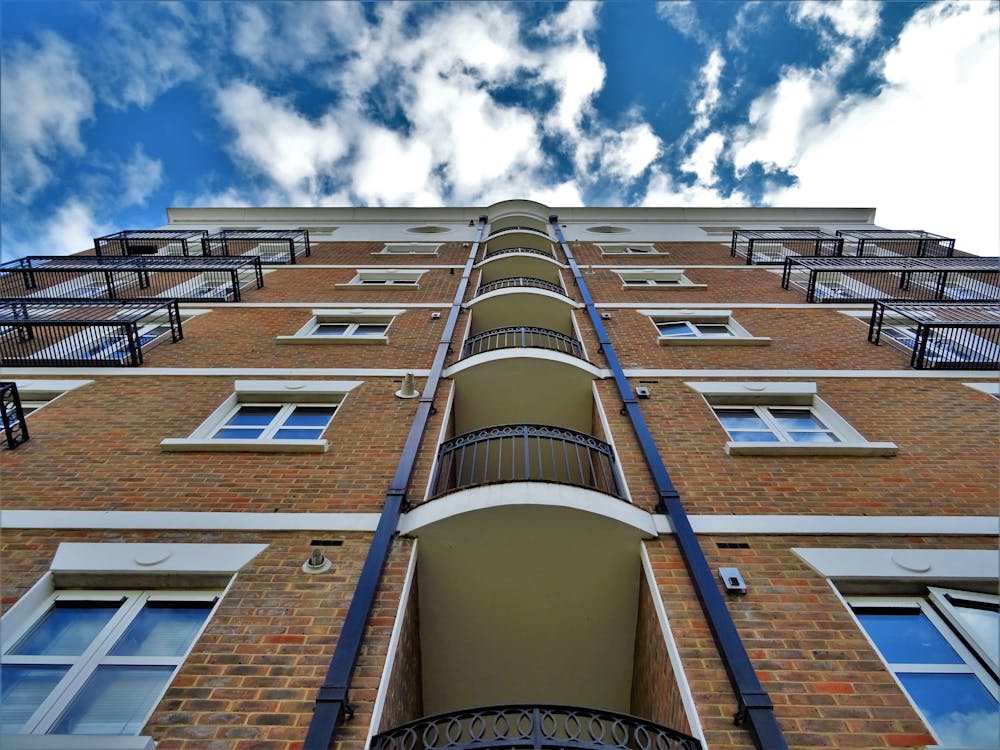
An apartment is a type of residential property that consists of a self-contained living space within a larger building. It is designed to provide individuals or families with a comfortable, private space where they can eat, sleep, relax, and perform daily activities.
A Brief History of Apartments
The concept of apartments dates back to ancient civilizations, such as the Romans, who constructed multi-story buildings called insulae. These buildings provided housing for lower and middle-class citizens, while the wealthy lived in more spacious and luxurious single-family homes known as domus.
In the United States, apartments began to gain popularity during the Industrial Revolution in the 19th century. As cities grew and urbanization increased, housing needed to accommodate the growing population, resulting in the construction of multi-family buildings known as tenements.
Over time, the design and construction of apartments evolved, leading to the modern apartments we see today.
Types of Apartments
There are several types of apartments, varying in size, design, and layout. Some common types include:
-
Studio Apartment: A compact living space that combines the bedroom, living room, and kitchen into a single area, with a separate bathroom. It is ideal for singles or couples who prefer a minimalistic and cost-effective living arrangement.
-
One-Bedroom Apartment: An apartment with a separate bedroom and living area, along with a kitchen and bathroom. It offers more privacy and space than a studio apartment.
-
Two-Bedroom Apartment: An apartment with two separate bedrooms, a living room, kitchen, and one or more bathrooms. It is suitable for families, roommates, or couples who require additional space.
-
Duplex: A multi-level apartment that consists of two floors connected by an internal staircase. Duplexes often have separate living and sleeping areas, providing more privacy and space.
-
Penthouse: A luxurious apartment located on the top floor of a building, often featuring high-end finishes, spacious layouts, and exclusive amenities, such as private terraces or rooftop access.
Benefits of Living in an Apartment
There are several advantages to living in an apartment, including:
-
Affordability: Apartments are often more affordable than single-family homes, making them a popular choice for renters on a budget.
-
Low Maintenance: Apartment dwellers typically do not have to worry about exterior maintenance, such as lawn care or snow removal, as these tasks are usually handled by the building's management.
-
Amenities: Many apartment complexes offer amenities, such as swimming pools, fitness centers, and communal spaces, which can enhance the living experience and foster a sense of community.
-
Security: Apartment buildings often provide security measures, such as surveillance cameras, secure entry systems, and on-site security personnel, creating a safer living environment.
-
Location: Apartments are often located in urban areas, providing easy access to public transportation, shopping, dining, and entertainment options.
Drawbacks of Living in an Apartment
Despite their benefits, apartments also have some drawbacks, such as:
-
Limited Space: Apartments tend to have less living space compared to single-family homes, which can be a challenge for those with large families or numerous belongings.
-
Noise: Close proximity to neighbors can result in noise disturbances and a lack of privacy.
-
Restrictions: Some apartment buildings have strict rules and regulations, such as pet restrictions or limitations on decorating and personalizing the living space.
-
Parking: Depending on the location, parking may be limited or require additional fees.
-
Lack of Outdoor Space: Apartments often lack private outdoor spaces, such as yards or gardens, which can be a drawback for those who enjoy spending time outdoors.
Choosing the Right Apartment
Selecting the right apartment is essential to ensure a comfortable and enjoyable living experience. Here are some factors to consider when choosing an apartment based on your personal needs and preferences:
-
Budget: Determine your budget before searching for an apartment, as this will help you narrow down your options and avoid overspending.
-
Location: Consider factors such as proximity to work or school, access to public transportation, and the availability of nearby amenities like grocery stores, restaurants, and parks.
-
Size and Layout: Evaluate how much space you need based on your family size or lifestyle. Also, consider the layout of the apartment, ensuring it meets your requirements for privacy and functionality.
-
Amenities: Make a list of desired amenities, such as in-unit laundry facilities, central air conditioning or heating, or outdoor spaces like balconies or patios.
-
Pet Policy: If you have pets or plan to adopt one in the future, research each building's pet policy regarding breed restrictions, weight limits, and any associated fees.
-
Safety and Security: Investigate the safety features of potential apartments, including secure entrances, surveillance cameras, well-lit common areas, and fire safety systems.
-
Lease Terms: Review lease terms carefully before signing a rental agreement. Look for details about rent increases, subleasing policies, maintenance responsibilities, and renewal options.
By taking these factors into account during your search process, you can find an apartment that aligns with your preferences while providing a comfortable living environment tailored to your unique needs.
Understanding Rental Agreements and Tenant Rights
When living in an apartment, it is essential to understand the rental agreement you sign and your rights as a tenant. This knowledge can help prevent disputes with landlords and protect you from potential legal issues.
Rental Agreements
A rental agreement, also known as a lease, is a legally binding contract between the landlord and tenant that outlines the terms and conditions of renting an apartment. Key elements of a rental agreement include:
-
Rent: The monthly rent amount, due date, and any late fees.
-
Security Deposit: The required deposit amount, its purpose, and the conditions for its return upon moving out.
-
Lease Duration: The length of time the lease is valid for (e.g., 6 months or 1 year), along with renewal options and procedures for ending the lease early.
-
Maintenance Responsibilities: A clear explanation of who is responsible for maintaining specific aspects of the property, such as repairs or pest control.
-
House Rules: Guidelines on noise levels, smoking policies, parking regulations, and other rules set by the landlord to ensure a peaceful living environment.
Tenant Rights
Tenant rights vary depending on local laws and regulations but generally encompass several key areas:
-
Habitability: Landlords must provide a safe and habitable living space that meets health codes and basic standards (e.g., functioning plumbing, heating systems).
-
Privacy: Tenants have a right to privacy within their apartment; landlords must provide notice before entering unless there's an emergency.
-
Repairs: Tenants have a right to request necessary repairs; if not addressed promptly by the landlord, tenants may have options such as withholding rent or repairing themselves (depending on local laws).
-
Discrimination Protection: Tenants are protected from discrimination based on factors such as race, gender, religion, disability status, and family status under the Fair Housing Act.
-
Eviction Protections: Landlords must follow specific legal procedures when evicting a tenant, including providing proper notice and just cause for eviction.
By familiarizing yourself with rental agreements and tenant rights, you can better advocate for your needs and ensure a positive apartment living experience.
Buying vs. Renting an Apartment: Financial Considerations
When it comes to choosing between buying and renting an apartment, there are several financial factors to consider. Both options have their advantages and disadvantages, depending on your personal circumstances and financial goals.
Initial Costs
-
Buying: Purchasing an apartment typically requires a down payment, which can range from 5% to 20% or more of the property's value. In addition, buyers must cover closing costs, such as appraisal fees, title insurance, and loan origination fees.
-
Renting: Renters usually need to pay a security deposit (often equivalent to one month's rent) and first month's rent upfront. Some landlords may also require last month's rent or additional fees for pets or parking.
Recurring Costs
-
Buying: Homeowners are responsible for monthly mortgage payments, property taxes, homeowner's insurance premiums, and maintenance costs. Some apartments also have monthly homeowners' association (HOA) fees that cover shared amenities and services.
-
Renting: Tenants pay monthly rent and may be required to cover utility costs if they're not included in the rental agreement. Renter's insurance is optional but recommended for protecting personal belongings.
Tax Implications
-
Buying: Mortgage interest payments and property taxes may be tax-deductible for homeowners, potentially reducing their overall tax burden. However, recent changes in tax laws have limited these deductions for some taxpayers.
-
Renting: Renters do not receive any tax benefits related to their housing expenses; however, they also do not face potential capital gains taxes upon selling the property.
Equity Building & Appreciation
-
Buying: As you make mortgage payments towards your apartment purchase, you build equity in the property over time. Additionally, if the value of your apartment appreciates during ownership, you may benefit from increased wealth when selling the property later on.
-
Renting: Renters do not build equity in the property and will not benefit from any appreciation in its value. Instead, they pay for the flexibility to move more easily and avoid the long-term commitment of homeownership.
Stability vs. Flexibility
-
Buying: Homeownership provides a sense of stability and control over your living situation, as you can make changes to the property (subject to HOA rules) and do not need to worry about lease renewals or rent increases.
-
Renting: Renting offers greater flexibility, allowing tenants to relocate more easily if their circumstances change (e.g., job opportunities, family needs). However, renters may face uncertainty with lease renewals or rent increases at the landlord's discretion.
Ultimately, deciding whether to buy or rent an apartment depends on your financial situation, lifestyle preferences, and long-term goals. By carefully considering these factors, you can make an informed decision that best aligns with your unique needs and objectives.
Comparing Apartment Living with Other Housing Options
When considering your housing options, it's essential to compare apartment living with alternatives such as townhouses and single-family homes. Each option has its own unique set of advantages and disadvantages, depending on factors like lifestyle preferences, budget constraints, and location requirements.
Townhouses
Townhouses are multi-level residential units that share one or more walls with neighboring properties. They often feature a small yard or outdoor space and provide more privacy than apartments while still being more affordable than single-family homes.
Pros:
-
More privacy compared to apartments
-
Outdoor space for gardening or leisure activities
-
Lower cost than single-family homes
-
Shared maintenance responsibilities, reducing individual workload
Cons:
-
Less privacy than single-family homes due to shared walls
-
Smaller living space compared to single-family homes
-
Homeowners association (HOA) fees may apply
-
Limited customization options due to shared building structures
Single-Family Homes
Single-family homes are stand-alone residences designed for one family, offering the most privacy and space among the housing options. These properties typically have a yard or garden area and allow for greater customization of both the interior and exterior spaces.
Pros:
-
Maximum privacy with no shared walls or floors
-
Larger living spaces ideal for families or those who need extra room
-
Greater freedom for personalization and renovations
-
Private outdoor areas for recreation, gardening, or entertaining
Cons:
-
Higher purchase price and ongoing expenses (property taxes, insurance)
-
Increased responsibility for home repairs and maintenance tasks
-
Potentially less access to public transportation and urban amenities
-
Longer commute times if located in suburban or rural areas
Conclusion
An apartment is a versatile and popular housing option that offers a range of benefits, including affordability, low maintenance, and access to amenities.
However, it is essential to consider the potential drawbacks, such as limited space and noise issues, when making a decision about whether an apartment is the right choice for you. By understanding the history, types, and pros and cons of apartment living, you can make an informed decision about the best housing option for your needs and lifestyle.